How to Know When You’ve Outgrown Your Home
You loved your home when you bought it.
Maybe it was the perfect starter home. Maybe it fit your family when you moved in. Maybe it checked all the boxes on your wish list.
But life changes.
And sometimes the home that once felt just right starts to feel a little too small, a little too crowded, or a little less functional than it used to.
If you've been wondering whether you've officially outgrown your home, here are some signs it might be time to consider your next move.
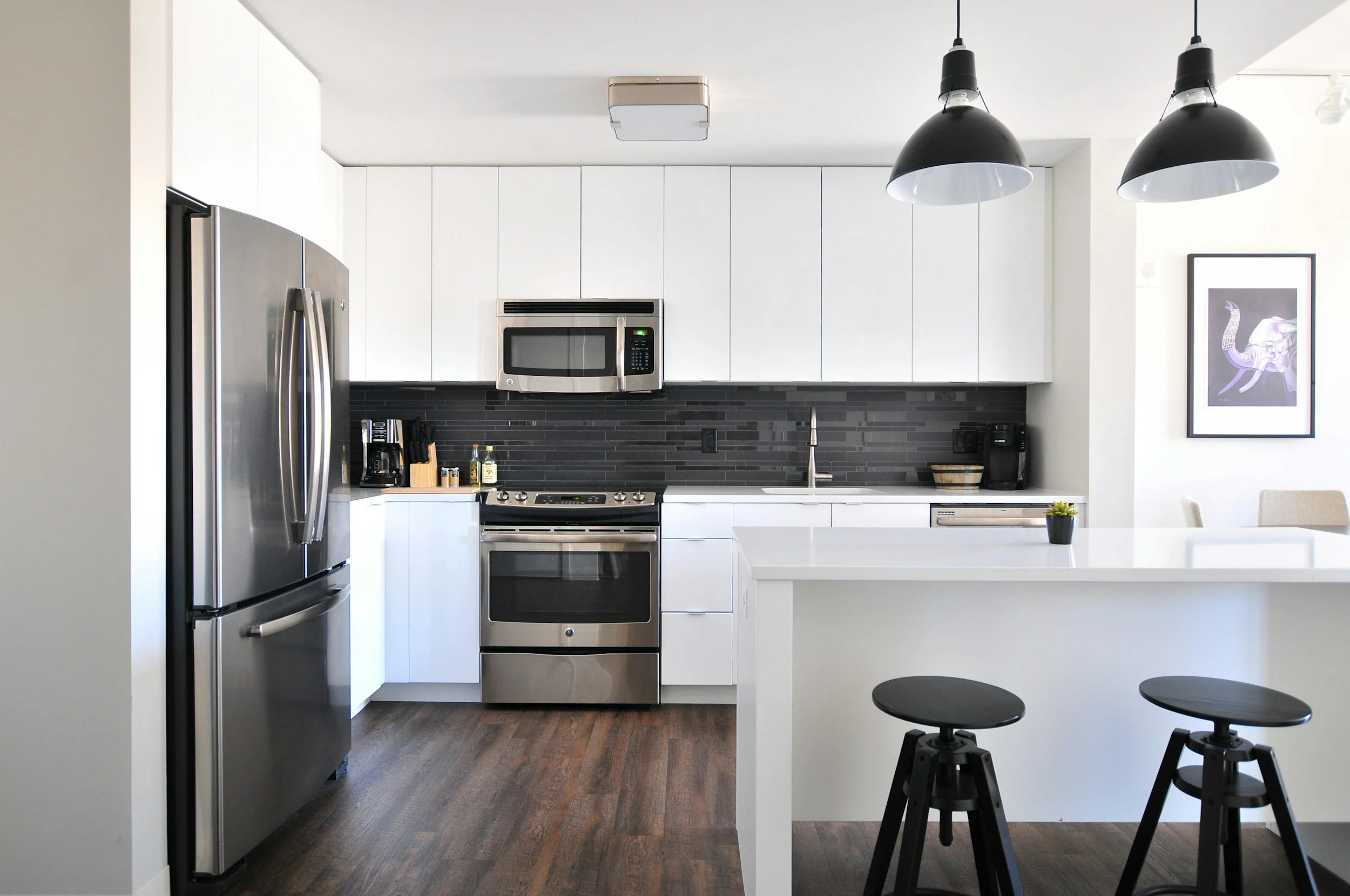
1. Your Home No Longer Fits Your Lifestyle
One of the biggest signs you've outgrown your home has nothing to do with square footage.
It has everything to do with how you live.
Perhaps you now work from home and need a dedicated office. Maybe your family has grown. Perhaps adult children have moved back home, aging parents need space, or hobbies and activities have taken over every available room.
When your daily routines start feeling difficult because of your home's layout, it may be time to reassess whether your current space still supports your life.
2. Storage Has Become a Constant Struggle
Every closet is full.
The garage is packed.
The basement is overflowing.
You find yourself constantly moving things around because there simply isn't enough space.
Many Northeast Ohio homes, particularly older homes, were built for different lifestyles than we have today. Storage needs have changed dramatically over the years.
If you're running out of room despite regularly decluttering, the issue may not be your belongings—it may be your house.
3. You've Outgrown the Layout
Sometimes the problem isn't size.
It's functionality.
Many homes throughout Northeast Ohio feature layouts that worked well decades ago but don't necessarily align with modern living.
You may find yourself wishing for:
An open floor plan
A larger kitchen
A first-floor primary suite
More bathrooms
A dedicated home office
Better flow for entertaining
If you're constantly imagining how you would redesign your home, it may be worth exploring what options are available on the market.
4. Your Maintenance List Never Ends
This is especially common in Northeast Ohio's older housing stock.
At some point, homeowners begin asking themselves:
"Do I want to keep investing in this house?"
Perhaps the roof needs replacement.
The HVAC system is aging.
The windows need updating.
The basement requires waterproofing.
While every home requires maintenance, there comes a point where some homeowners decide their money may be better spent on a home that better fits their needs.
5. Your Neighborhood No Longer Fits Your Goals
Sometimes you've outgrown the location rather than the house itself.
Maybe you'd like:
More walkability
Better access to parks and trails
A shorter commute
A larger lot
More privacy
A different school district
Closer proximity to family
As your priorities change, the right neighborhood can become just as important as the right house.
6. You've Built Significant Equity
Many Northeast Ohio homeowners have gained substantial equity over the past several years.
If your home has appreciated significantly, you may have more options than you realize.
The equity you've built could potentially help you:
Purchase a larger home
Move into a neighborhood you previously couldn't afford
Reduce your monthly payment
Downsize while increasing financial flexibility
Many homeowners are surprised when they discover what their current home is worth in today's market.
7. You Spend More Time Dreaming About Your Next Home Than Enjoying Your Current One
This may be the clearest sign of all.
If you're constantly browsing listings, visiting open houses, pinning design ideas, or imagining yourself in a different home, it may be worth exploring whether those thoughts are telling you something.
That doesn't automatically mean you should move.
But it may mean it's time to gather information and understand your options.
Should You Move or Renovate?
Before making a decision, it's important to compare the cost of moving versus improving your current home.
In some cases, a renovation can solve the problem.
In others, no amount of remodeling can change the location, lot size, or overall layout of a home.
The best decision depends on your goals, budget, and long-term plans.
Final Thoughts
Outgrowing a home isn't a failure.
In many ways, it's a sign that your life is evolving.
The home that served you well for the past five, ten, or twenty years may not be the home that best supports your future.
If you're wondering whether it's time to move, start by gathering information. Understanding your home's current value and exploring what's available in today's Northeast Ohio market can help you make a confident decision about what's next.
You may discover that your current home still fits your needs—or you may discover that your next chapter is waiting just around the corner.