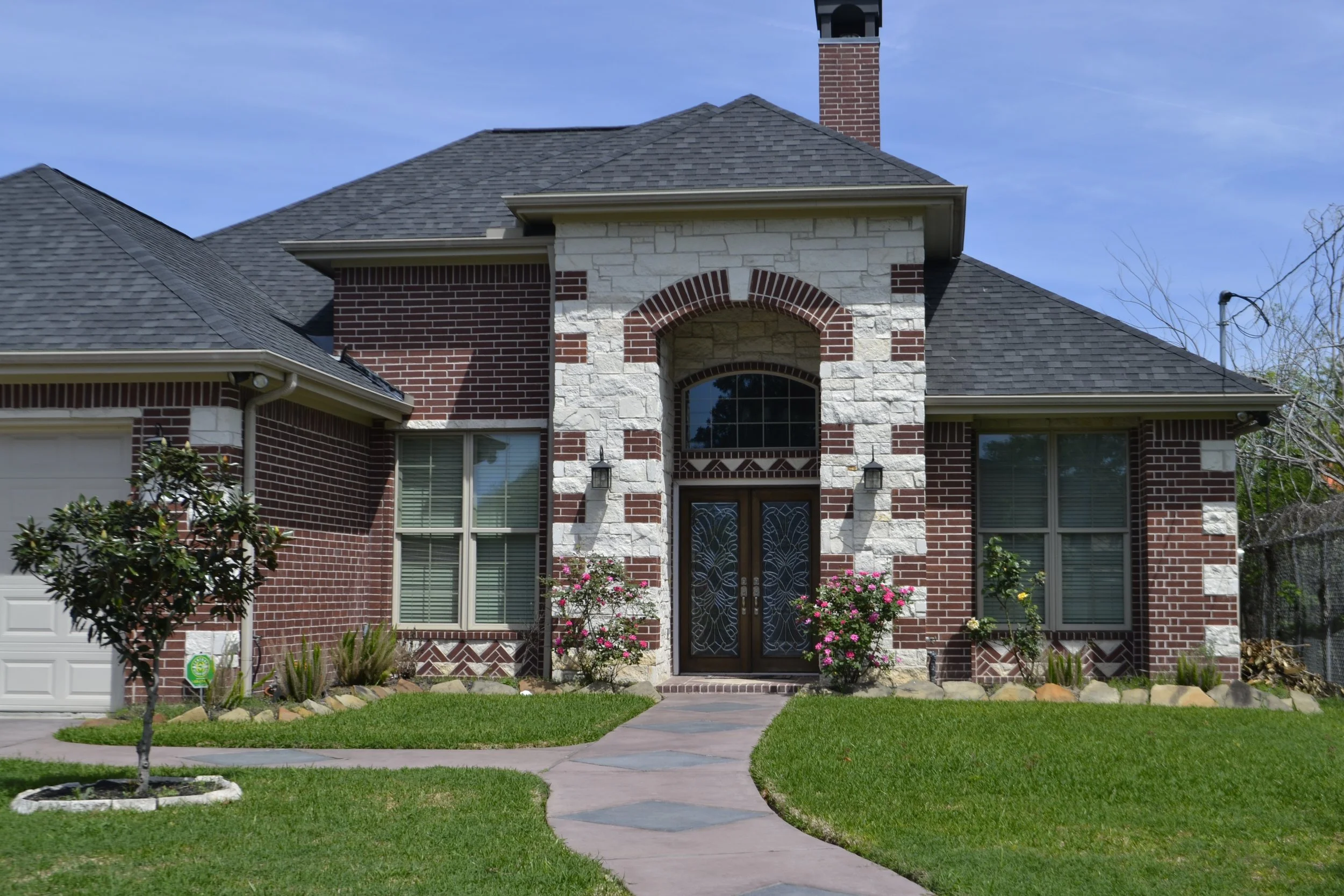
Owning a home is, hands down, one of the most rewarding financial and personal decisions many people will ever make. It creates stability, builds long-term wealth, and gives people a space that truly feels like their own. It can also be one of the most overwhelming things someone can do. While most buyers focus on the monthly mortgage payment, there are several additional costs of homeownership that can catch people off guard — especially here in Northeast Ohio.
The good news? Most of these expenses are manageable when you know what to expect in advance.
If you’re thinking about buying a home, or if you’re a newer homeowner trying to plan ahead more confidently, here are some of the hidden costs of homeownership in Northeast Ohio that deserve your attention.
Property Taxes
One of the biggest surprises for many buyers is how much property taxes can vary from city to city in Northeast Ohio.
Two homes with similar prices may have very different monthly payments depending on the tax rates in the community. Older suburbs often have higher tax rates because of school levies and local funding structures.
Before purchasing a home, it’s important to:
Review current property taxes
Ask whether the taxes reflect a recent sale price
Understand how tax reassessments could affect future payments
Budget for potential increases over time
A mortgage payment that feels comfortable today can become more difficult if taxes rise significantly in the future, especially as home values rise.
Maintenance on Older Homes
Northeast Ohio has stunning older housing stock (love me some century homes) that are filled with character and charm. But older homes often require additional maintenance that buyers should plan for financially.
Some common issues in older Northeast Ohio homes include:
Aging sewer lines
Foundation settling
Moisture and basement concerns
Older electrical systems
Original windows
Roof aging
HVAC replacement needs
This does NOT mean older homes are a bad investment! In fact, many are incredibly well-built. But homeowners should expect maintenance to be part of ownership.
A good rule of thumb is to set aside money every month specifically for future repairs and maintenance. Take a look at your monthly budget and see how much you can afford to set aside.
Seasonal Utility Costs
Ohio weather can create major swings in utility bills throughout the year, especially with the severe changes we have been seeing in recent months. Winter heating costs can become significant, especially in drafty homes or older properties with outdated insulation. Summer humidity can also increase cooling costs more than many people expect.
Factors that impact utility costs that you should be watching include:
Window quality
Insulation
Furnace age and efficiency
Air conditioning efficiency
Home size
Ceiling height
Sun exposure
When buying a home, ask for average utility costs whenever possible. This can provide a more realistic picture of monthly ownership expenses.
Lawn Care, Landscaping, and Snow Removal
Owning property means maintaining property. Many first-time buyers underestimate the ongoing costs associated with:
Lawn equipment
Mulch and landscaping
Tree trimming
Gutter cleaning
Snow removal
Exterior maintenance
Even if homeowners handle much of the work themselves, the costs still add up over time. For homeowners who prefer to hire out maintenance, these expenses should absolutely be included in the monthly budget.
Emergency Repairs
One of the hardest parts of homeownership is that repairs rarely happen at convenient times.
Furnaces fail during cold snaps. Water heaters leak unexpectedly. Sump pumps stop working during heavy rainstorms.
Emergency repairs are not a matter of if — they are usually a matter of when.
This is why homeowners should prioritize building an emergency maintenance fund, even if they start small. Having savings available can dramatically reduce stress when unexpected repairs happen. It’s also recommended to check out home warranty programs that make sense to purchase. These programs can save you a lot of money, especially in the first year of buying a home, because inevitably, something breaks.
Furnishing and Personalizing the Home
After closing, many buyers immediately begin spending money on:
Furniture
Paint
Window treatments
Decor
Organization systems
Appliances
Outdoor furniture
Home improvement projects
These purchases are exciting, but they can add up quickly. One of the best things new homeowners can do is give themselves permission to settle in slowly. A home does not need to be fully finished immediately. Take the time to really make it yours and budget for updates as time goes on.
The Emotional Cost of Ownership
This is the hidden cost people talk about the least.
Homeownership comes with responsibility. There are decisions to make, repairs to manage, and ongoing upkeep to consider. Sometimes homeowners feel pressure to constantly improve or update their property, especially when they compare themselves to every other house in the neighborhood.
But homeownership also brings something incredibly valuable: stability, roots, and the ability to create a space that truly reflects your life. Most homeowners will tell you the responsibilities are worth it.
Final Thoughts
It’s very tempting to be overwhelmed by all the costs of homeownership in NE Ohio. But in my experience, the more prepared a home buyer is, the happier they ultimately are.
Homeownership is still one of the strongest ways many people build long-term wealth and create stability for themselves and their families. The key is entering the process with realistic expectations and a solid financial plan.
When buyers understand the full picture of homeownership, they tend to make stronger decisions — and enjoy the experience much more. If you’re thinking about buying a home in Northeast Ohio and want help understanding the true costs of ownership, I’d love to help guide you through the process.